
STATEMENT ON THE UGANDA ELECTION
19 January 2026
PAD Statement on the Uganda Election: 15 January 2026
The Platform for African Democrats (PAD) takes note of developments around the Uganda election held on 15 January 2026.
This was an election that offered Ugandans a choice between two vastly different futures: one represented continuity in the form of the 81-year-old candidate, President Yoweri Museveni, who seized power forty years ago and was standing for a seventh-term in office. His campaign was visibly reliant on state resources to maintain regime security and elite interests.
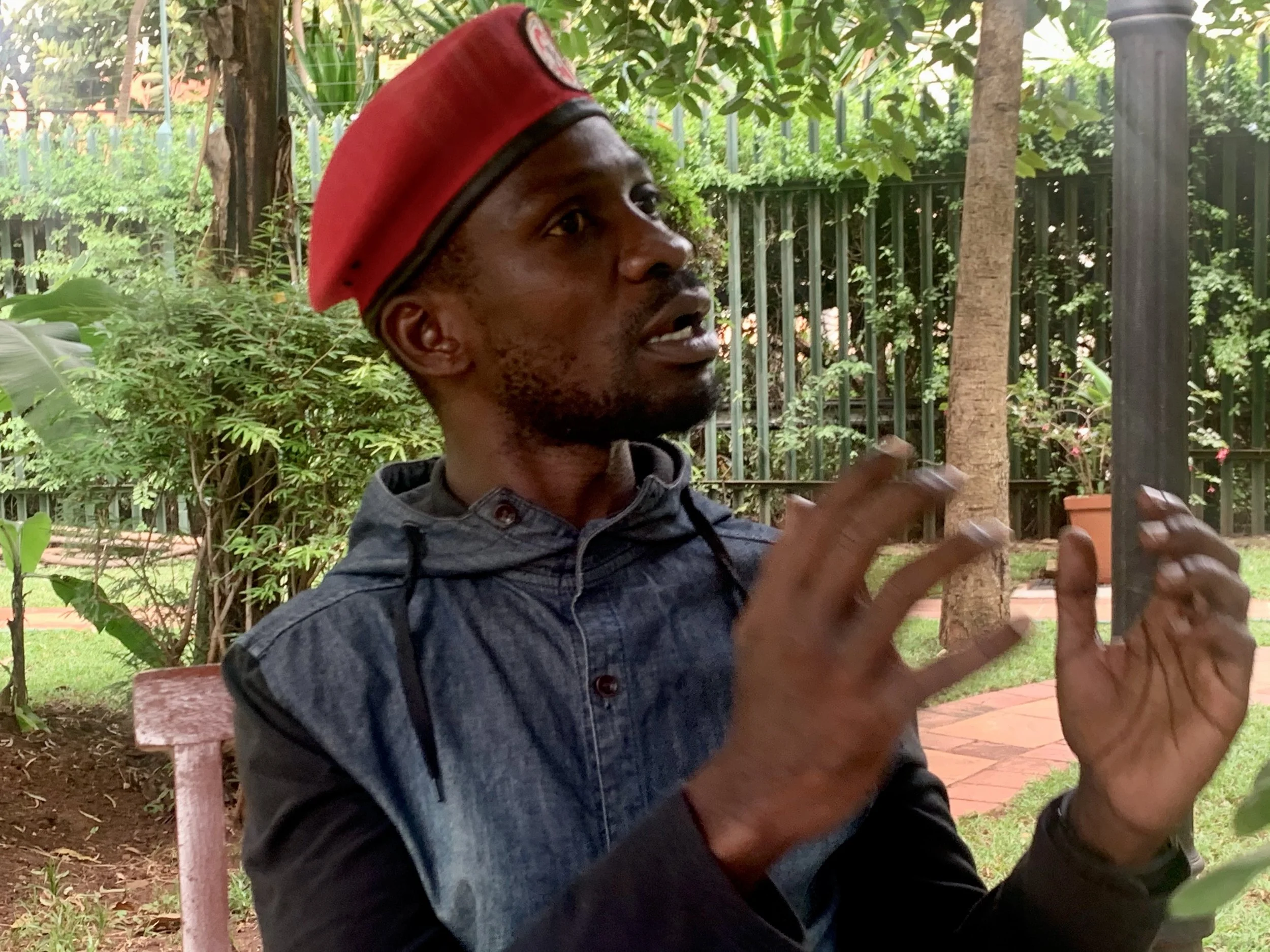
The other choice was for change, represented by the 43-year-old Bobi Wine, the popular name of Robert Kyagulanyi Ssentamu. This campaign braved shootings, continuous intimidation, tear-gassing and water-cannons, detentions, beatings and systematic interference in its attempts to garner support and deliver a message.
The election itself followed a typical authoritarian playbook, with the internet being switched off the previous day, reducing the ability of activists to independently tally votes and report from the more than fifty thousand polling stations countrywide and to expose fraud and violence on social media. The regime maintained a heavy security presence at the polling stations, reportedly preventing access by opposition agents.
By the close of election day, amidst widespread opposition claims of ballot stuffing and vote rigging, it was reported that state security forces had surrounded and invaded the home of Bobi Wine, a tactic also adopted in the 2021 election. In 2016, Museveni’s forces simply arrested the challenger Dr Kizza Besigye on the day of the election.
The Ugandan regime has denied that there is anything to hide about the election, despite the internet shutdown, the suppression of polling station data making impossible the verification of results, the heavy presence of security forces, and the rapid declaration of Museveni as the president.
Countries that turn off the internet during an election usually have something to hide
This is a jaded script with dire human rights consequences.
African authoritarians and the elites who buzz around them think that they can get away with treating their people with disdain, as third-class passengers while they fly first immune from the struggles and bitter choices of everyday life. In neighbouring Tanzania, thousands of protestors died after the travesty of the election last October, ‘won’ by Samia Suluhu Hassan with a purported 97% of the vote, extending the rule of Chama Cha Mapinduzi, effectively in power since independence in 1961. Only this past week has Samia now embarked on a diplomatic mission, apologising for shutting off the internet and pardoning some political prisoners in an effort, she says, ‘to build a nation that is both prosperous and at peace with itself’, but not offering an election re-run or to release the major opposition leader, Tundu Lissu.
Authoritarianism can only worsen the prospects for Africa’s young people. There is a clear empirical correlation between the state of democracy in Africa and the prospects for economic growth. Surveys have shown that 90% of Ugandans reject one-party rule, and more than 80% prefer democracy. The likelihood of continued violence and human rights abuses is high if the majority of Ugandans believe Museveni has stolen the election.
Uganda’s authoritarian past has blighted its ability to deliver to its burgeoning numbers of young people. More than 85% of today’s 50 million Ugandans are under the age of 25, with the population expected to reach 85 million by 2050. Yet the per capita income of Ugandans is less than $990, or just 62% of the African average.
The international community has only itself to blame for the popularity of the authoritarian election playbook. The warnings have been consistently there, but have not been a priority for policymakers.
African leaders and agencies routinely preach about the value of democracy but genuflect to closing ranks around incumbents at the expense of African citizens. Other states and international organisations express concern but their actions suggest that they couldn’t care less.
And yet without concerted and aligned actions inside and outside the continent, Africans are doomed to be treated as third-class citizens by ruling elites and their supporters. To break this cycle of impunity and poverty, the international community needs to support those doing the right thing at home, through deliberate action, not empty words.
The PAD calls on those international actors who care for and are invested in the future of Africa to conduct a thorough audit of the Tanzanian and Ugandan elections, which would propose practical remedial measures in the case of electoral fraud. Without this action, these regimes will be permitted to get away literally with murder.
Signed by:
Adalberto Costa Junior, President: UNITA, Angola
Aderemi Ajibewa, Former Director of Political Affairs: ECOWAS, Nigeria
Alfonso de Prat Gay, Former Minister of Finance, Argentina
Branko Brkic, Leader: Project Kontinuum, South Africa
Cirino Hiteng Ofuho, Real Sudan People’s Liberation Movement, South Sudan
David Coltart, Mayor of Bulawayo, Zimbabwe
Edwin Sifuna, Senator, Kenya
Eerik-Niiles Kross, Member of the Riigikogu, Estonia
Gladys Hlatywayo, MP, Zimbabwe
Gloria Uwishema Nsengiyumva, Human Rights activist, All for Rwanda, Rwanda
Greg Mills, Platform for African Democrats, South Africa
Ian Khama (Lt-Gen), former President, Botswana
Jeffrey Smith, Executive Director: Vanguard Africa, US
John Wegesa Heche, Vice-Chairman: Chama Cha Demokrasia na Maendeleo (CHADEMA), Tanzania
John Steenhuisen, Leader: Democratic Alliance, South Africa
Jonas Mulato, Secretary for International Relations, UNITA, Angola
Karin von Hippel, former Director-General: RUSI, US
Kate Almquist Knopf, former USAID Assistant Administrator for Africa, US
Kateryna Yushchenko, former First Lady, Ukraine
Leopoldo Lopez, World Liberty Congress, Venezuela
Luis Ravina, Director of the Navarra Center for International Development
Lutero Simango, President: MDM, Mozambique
Manuel de Araujo, Mayor of Quelimane, Mozambique
Merera Gudina, Oromo People's Congress, Ethiopia
Moeketsi Majoro, former Prime Minister, Lesotho
Nic Cheeseman, Professor of Democracy: University of Birmingham, UK
Paula Cristina Roque, Executive Director: Intelwatch, South Africa
Precious Omuku, Bishop: former Archbishop of Canterbury's Special Representative on Conflict in Sub-Saharan Africa, Nigeria
Rugemeleza Nshala, Attorney-General: CHADEMA, Tanzania
Ray Hartley, Platform for African Democrats, South Africa
Ryan Smith, Foreign Affairs Spokesperson: Democratic Alliance, South Africa
Souleymane Coulibaly, Democratic Party (PDCI-RDA), Cote d'Ivoire
Tendai Biti, former Minister of Finance, Zimbabwe
Tut Riek Jikany, WLC Leadership Council, South Sudan Democracy Initiative (SSDNI), South Sudan
Viktor Yushchenko, Former President, Ukraine